Massage therapy is about much more than the relaxing moment clients feel on the table. Most of the work starts long before and continues after the session ends: reviewing health histories, preparing the room, sanitizing equipment, selecting oils, adapting techniques to a client’s condition, managing scheduling, documenting progress, and adjusting treatment plans over time.
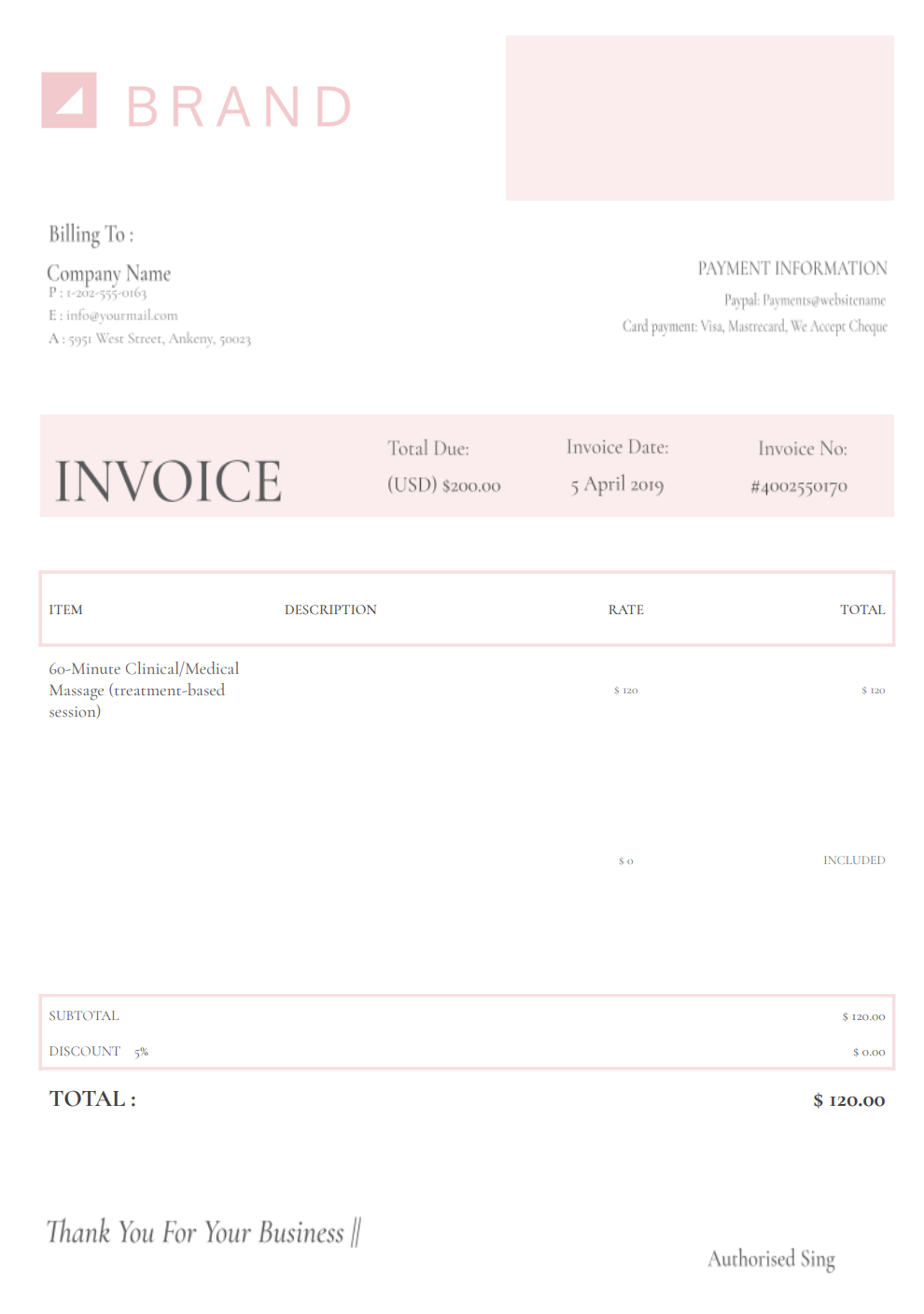
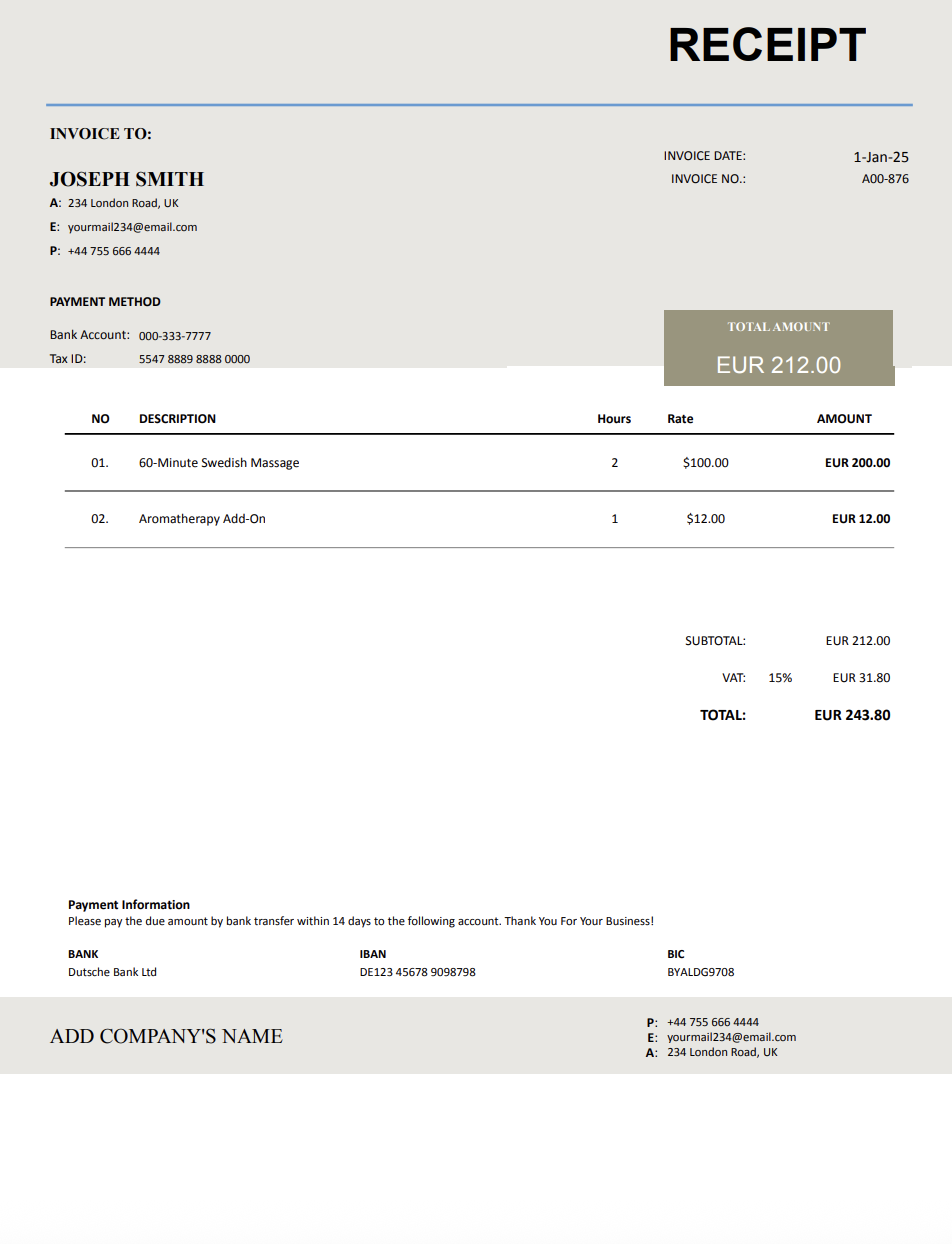
A massage therapist invoice template gives you a clear, organized way to show the full scope of your services — from hands-on treatment to the behind-the-scenes care that clients rarely notice.
With Invoicer.ai, you can create massage therapist invoices in minutes, either by downloading free Word or Excel invoice templates or by customizing and sending invoices online directly through the software (which is much simpler).
Massage therapy blends wellness, technique, and client management. Without structured invoicing, important details can easily get lost between appointments, treatment notes, and specific client needs.
Clients often see only the time they spend on the table, not the preparation around it. They may not realize how much work goes into evaluating mobility, choosing the right modality, prepping equipment, or documenting progress. A detailed invoice helps bridge that gap and clarifies the value of your service.
Swedish, deep tissue, prenatal, sports therapy, lymphatic drainage, hot stone, cupping, aromatherapy — each requires different skills and materials. Listing them clearly helps clients understand why sessions differ in cost.
Oils, lotions, hot stones, towels, compresses, aromatherapy blends, and sanitation supplies all vary in price. Transparent invoicing helps clients see why costs fluctuate.
Pain levels change. New injuries appear. Clients request extra time or special techniques. A structured invoice makes it easy to document these adjustments and bill accurately.
Some clients come weekly or monthly. Invoices help keep sessions organized, especially when they include therapeutic goals or long-term treatment plans.
Massage therapists offer a wide range of services, so your invoicing format should match the type of treatment provided. These are the most common invoice types in massage therapy.
The most common format. It includes the type of massage, duration, materials used, and total cost. Perfect for single appointments or clients who book occasionally.
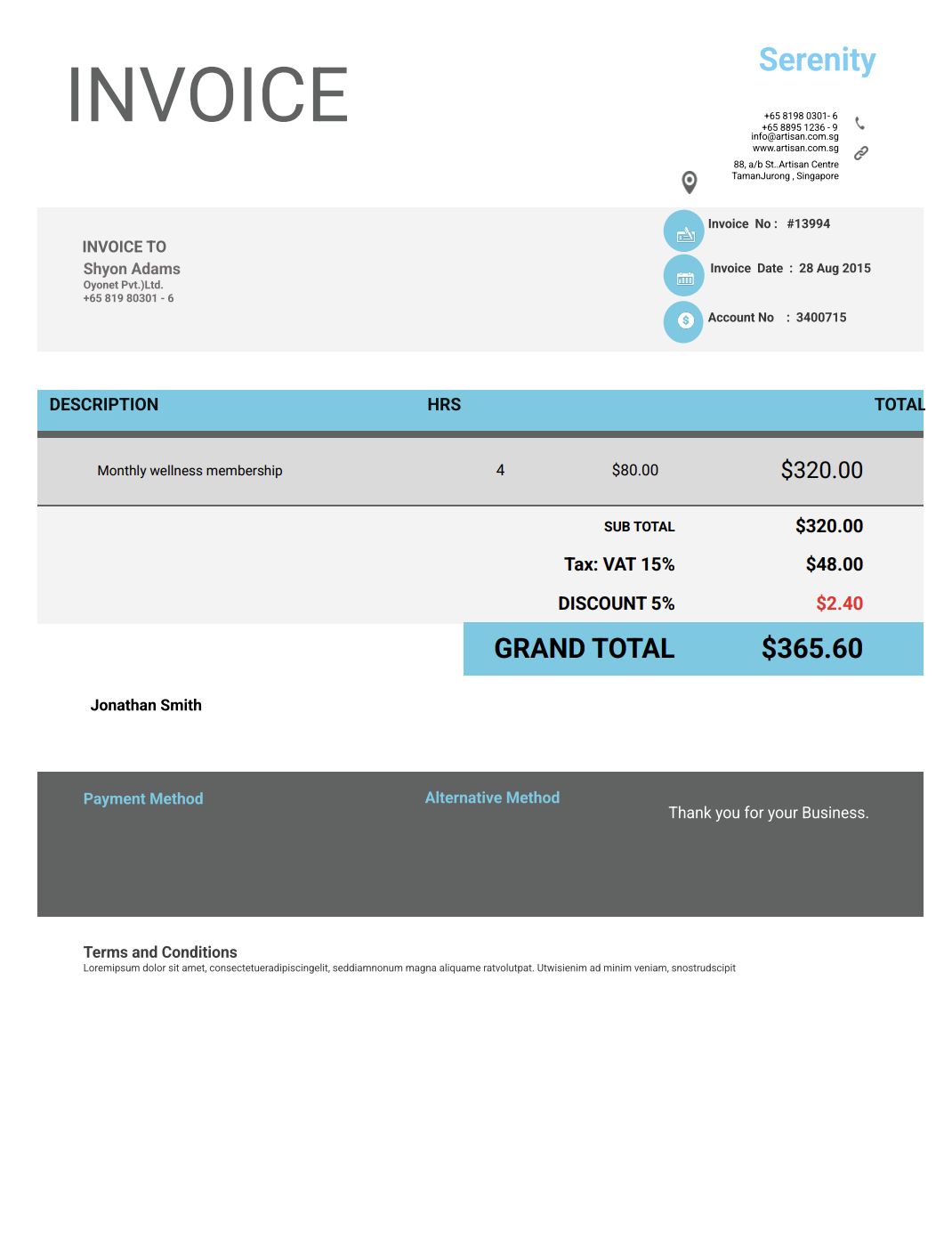
Great for clients who buy bundle deals or monthly memberships. This type of massage therapist invoice lists the packagepurchased, the number of sessions included, and the remaining balance.
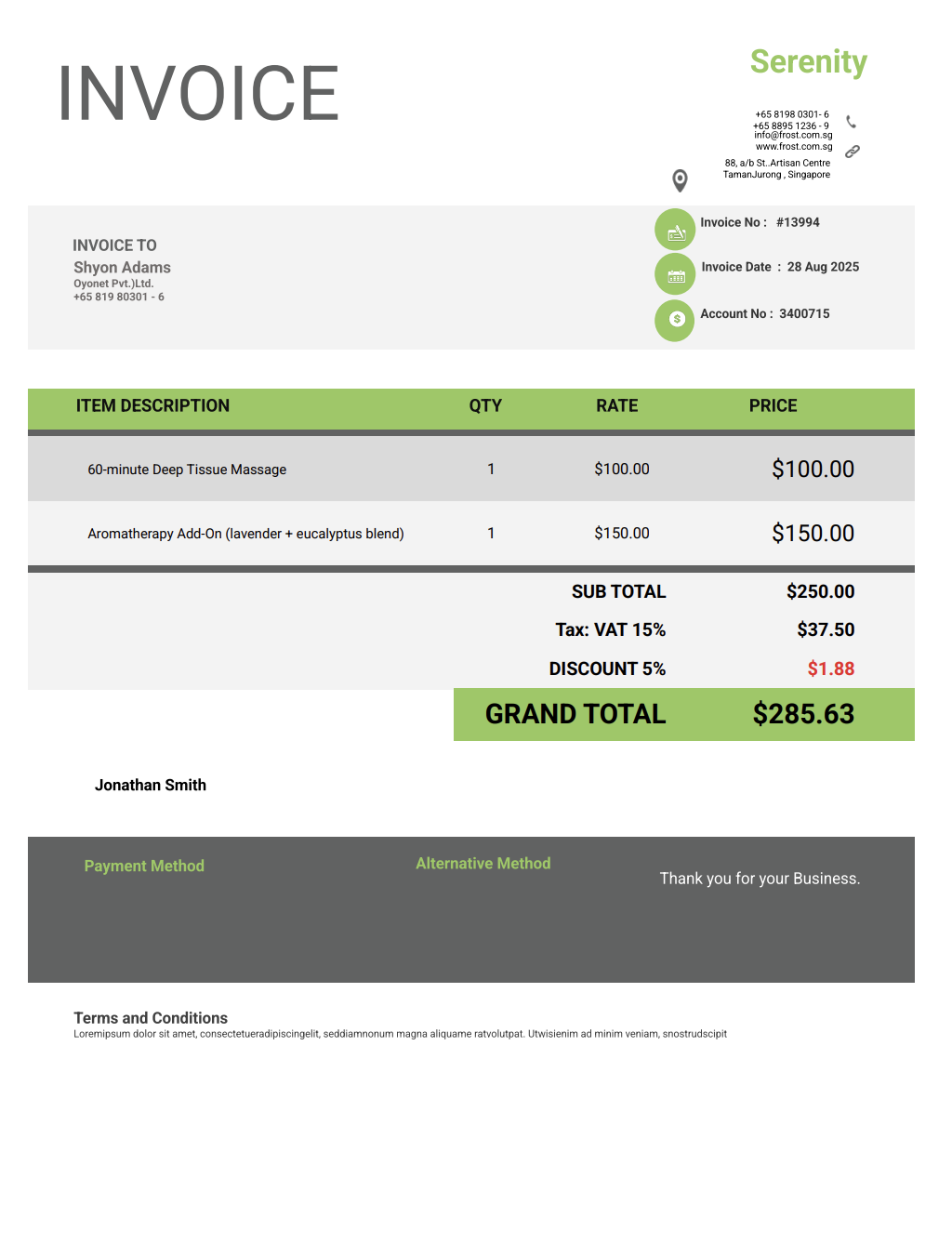
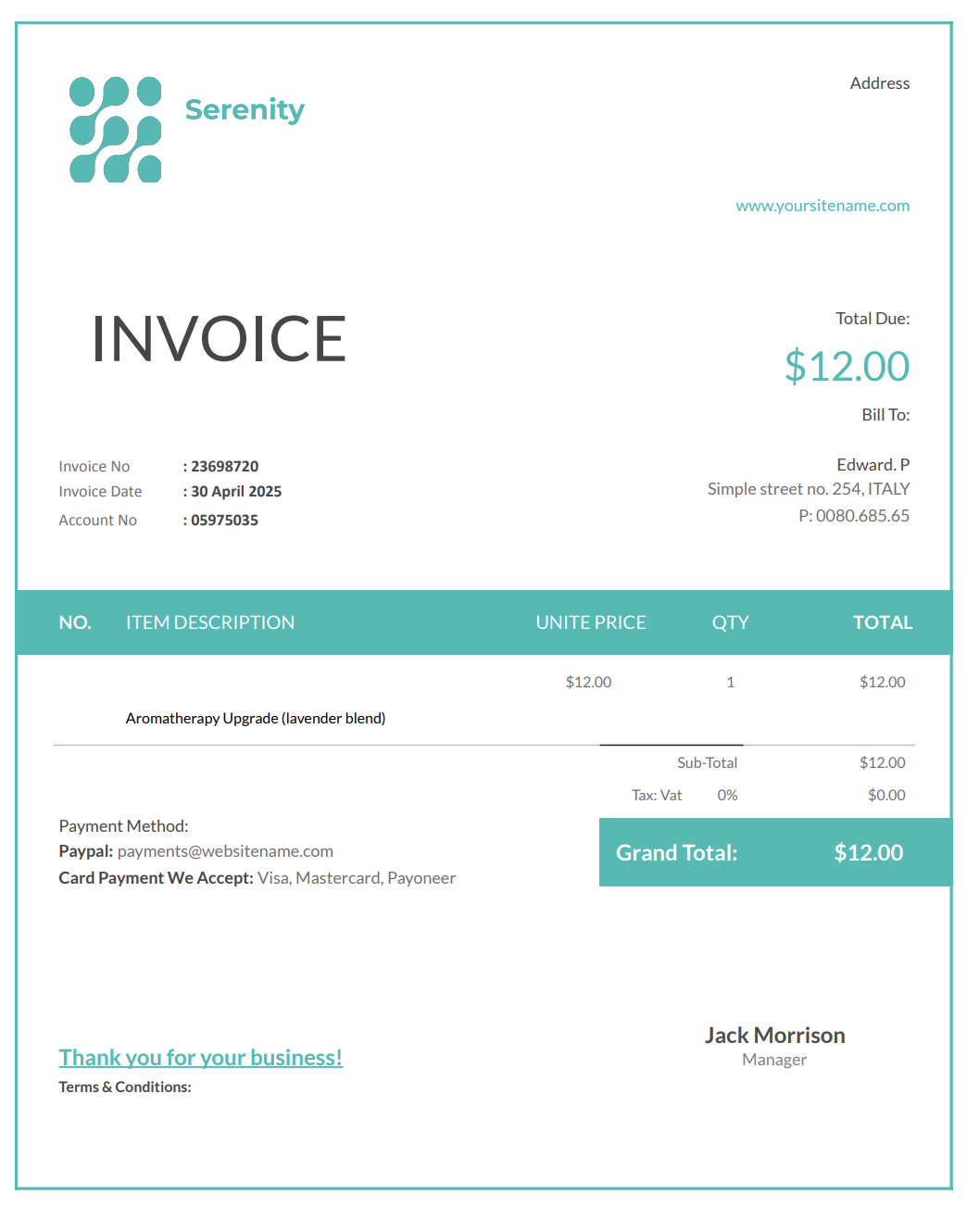
Used when clients request enhancements such as hot stones, cupping, aromatherapy, foot scrubs, or extended time. Each add-on appears as its own line item.
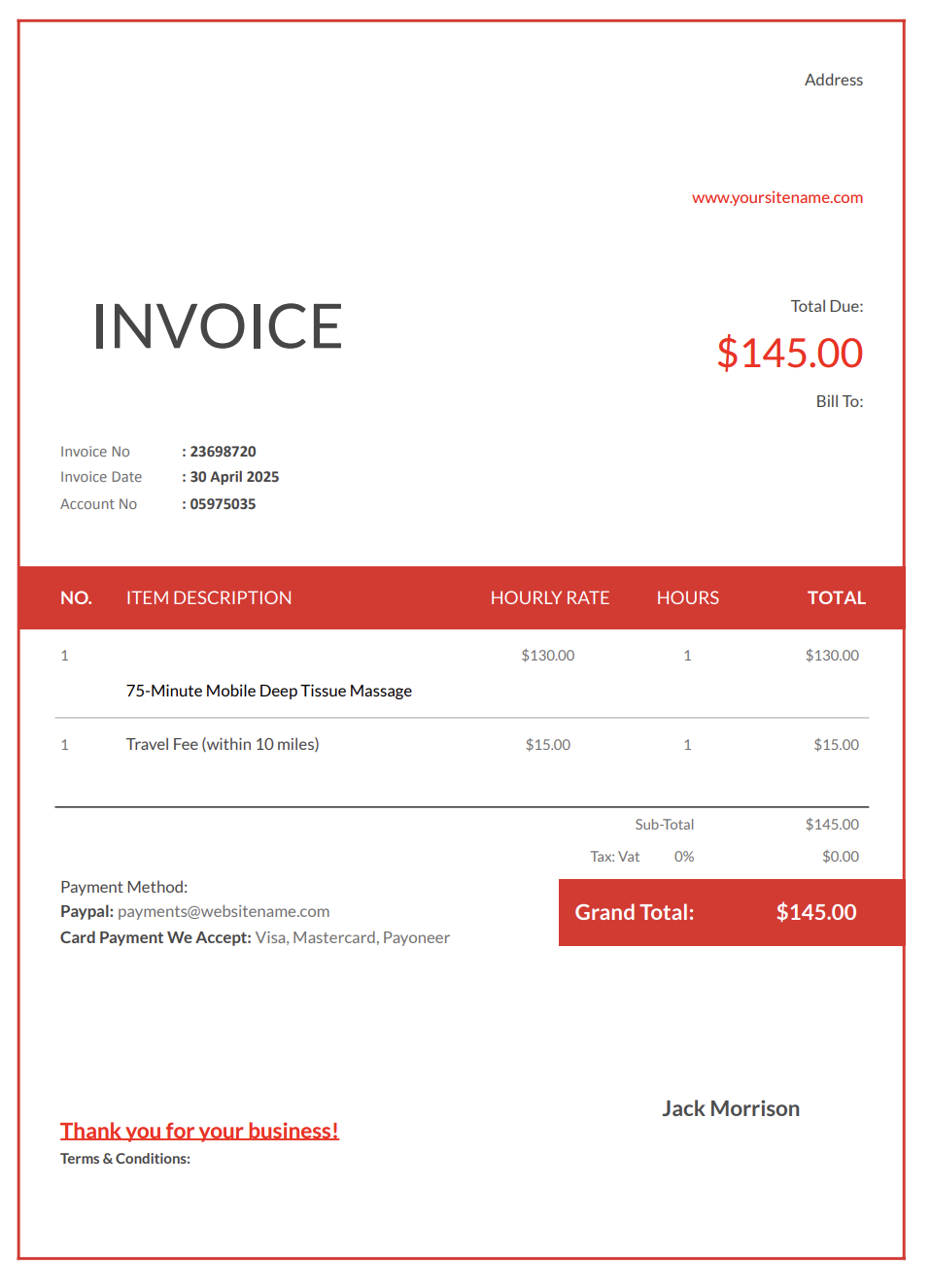
Ideal when you travel to a client’s home, office, or event. It includes travel fees, setup time, and any portable equipment used.
For therapeutic treatments related to injuries, rehabilitation, or chronic pain conditions. It includes treatment notes, session descriptions, and may be used for insurance reimbursement depending on your location.
Useful for clients paying immediately. It confirms payment and keeps your records consistent.
Many massage therapists sell packages (for example, 5 or 10 sessions) or monthly memberships. A package invoice should always describe what was purchased, any validity period, and how remaining sessions are handled.
How to invoice packages:
How to invoice memberships:
Example line items:
Gift certificates and prepaid credits are common for massage businesses. Your invoice should clearly show whether the client is purchasing a gift certificate or redeeming one.
When selling a gift certificate:
When redeeming a gift certificate:
Example line items:
A good massage therapy invoice should be easy for clients to read and give a full picture of what their session included.
Add your name, business name, license number if required, phone, email, and any branding. It keeps things professional and makes it simple for clients to reach you.
Include the client’s name, contact details, and where the appointment took place. This is especially helpful if you work in multiple locations or offer mobile sessions.
Break down everything provided during the treatment, such as:
• Type of massage (Swedish, deep tissue, sports, prenatal, etc.)
• Session length
• Techniques used
• Aromatherapy or cupping
• Hot stone therapy
• Stretching or mobility work
• Special accommodations
• Aftercare notes
List the exact length of the session—30, 60, 75, or 90 minutes.
Mention oils, lotions, aromatherapy blends, hot stones, towels, or any specialty tools.
Show your per-session or hourly rate and how the total was calculated.
Include travel costs, late-cancellation charges, no-show fees, or added time when relevant.
A clear breakdown helps prevent misunderstandings.
Add due dates, accepted payment methods, package rules, and any policies your clients should know.
Use this space for aftercare advice, hydration reminders, stretching suggestions, or recommended timing for the next session.
Some clients submit massage invoices for reimbursement through insurance, wellness programs, or HSA/FSA accounts. A standard invoice may need a few extra fields to be usable for reimbursement.
Common reimbursement fields (when applicable):
Practical note:
Avoid including sensitive details or treatment notes on invoices. Use simple descriptions such as “Massage therapy session” unless the reimbursement provider requires specific terminology.
Payment problems usually pop up when expectations aren’t spelled out clearly. These simple habits make billing smoother and help clients stay on track.
When your session notes are clear, clients understand exactly what they’re being charged for.
Whether you take payment right after the session or follow up later, sending the invoice quickly encourages faster responses.
A defined deadline keeps payments from slipping through the cracks.
If you used hot stones, cupping, aromatherapy, extended time, or any specialty techniques, list them individually so clients see the full breakdown.
A consistent approach helps clients know what to expect and strengthens overall trust.
Massage therapists all have their own rhythm when it comes to billing, but timing still matters if you want payments to run smoothly instead of turning into guesswork.
Here’s how to handle when and how to send your massage therapy invoices.
Send the invoice immediately after the session or process payment on the spot.
Invoice upon purchase and include a summary each time the client uses a session from their bundle.
Send invoices based on documentation requirements, including treatment notes and session codes.
Send invoices before travel or immediately after completing the visit.
Digital invoices make these steps easier, and Invoicer.ai also shows when clients have viewed the invoice, which is helpful for keeping communication open.
Missed appointments directly impact your schedule and income. If your booking policy includes fees for late cancellations or no-shows, your invoice should list them clearly and professionally.
Best practice:
Example line items:
Some clients submit massage invoices for reimbursement through insurance, wellness programs, or HSA/FSA accounts. A standard invoice may need a few extra fields to be usable for reimbursement.
Common reimbursement fields (when applicable):
Practical note:
Avoid including sensitive details or treatment notes on invoices. Use simple descriptions such as “Massage therapy session” unless the reimbursement provider requires specific terminology.
Your invoice doesn’t need an elaborate design, but it should look polished and match the feel of your practice. Small touches can make your billing look more thoughtful and reinforce the care you provide.
Soft colors, a simple logo, or a peaceful layout can reflect the relaxing nature of your work.
Short reminders like “Drink extra water today” or “Avoid strenuous activity for a few hours” add a personal touch that clients appreciate.
If you eased tension, improved mobility, or addressed specific pain points, noting it briefly helps clients see their progress.
Invoicer.ai offers built-in payment features, making it easier for clients to settle invoices without delays.
A short recap helps clients understand how the session supports their overall wellness plan.
Word and Excel require constant formatting. More complex accounting software often includes features that massage therapists don’t need.
Invoicer.ai gives you the simplicity of templates with the ease of online invoicing.
With Invoicer.ai you get:
No unnecessary tools. No formatting headaches. Just clear invoices that help you stay organized and get paid faster.
You can also create invoices for massage therapy services using our AI Invoice Generator. Just write a simple prompt and it builds the invoice for you, giving you an even faster way to get accurate, professional results.
You can stick with templates if that's your style, let AI take care of the setup when you want something quick, or always create invoices manually for a hands on approach.
Massage therapy requires technique, patience, and thoughtful care. Invoicing shouldn’t require the same effort.
A structured massage therapist invoice template keeps your billing organized, clear, and easy for clients to understand, allowing you to focus fully on your clients’ health and comfort.
Start your massage therapist invoice today and make the payment process the simplest part of your practice. Once the invoice is ready, you can schedule it to send when it makes the most sense for the job or your billing routine.